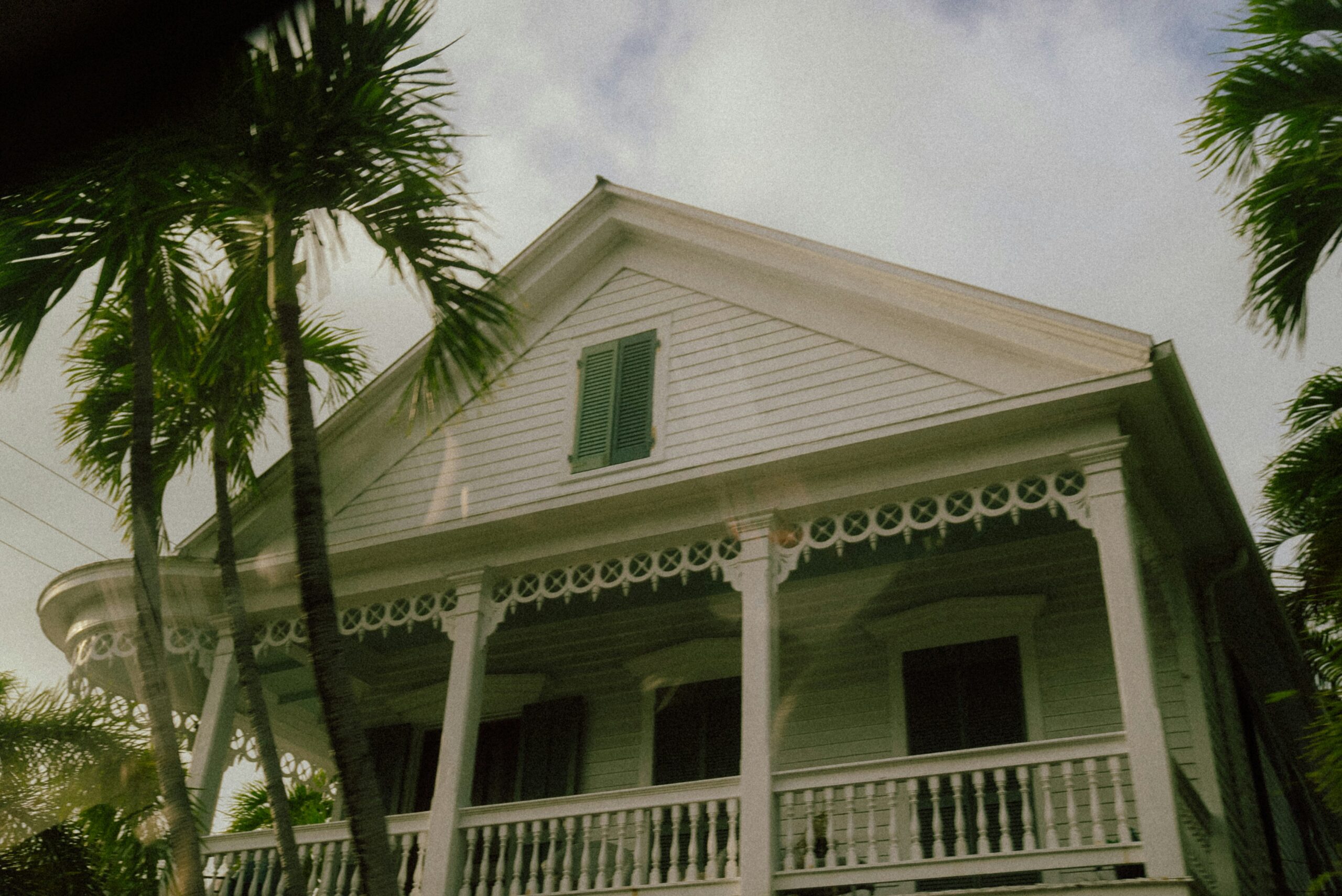
From Victorian architecture in Jacksonville’s Springfield to Spanish Colonial homes in St. Augustine, Northeast Florida is rich in historic properties. These homes offer unmatched character and craftsmanship, but they also come with unique responsibilities for owners. Here’s what to know if you’re considering purchasing a historic home in our region:
What qualifies as a historic property?
In general, a property is considered historic if it is at least 50 years old and maintains architectural or cultural significance. In Northeast Florida, this can include:
- National Register of Historic Places (NRHP) listings, such as many buildings in downtown Jacksonville and St. Augustine.
- Local historic districts, including Riverside Avondale, Springfield, and Fernandina Beach’s Old Town.
- Individually designated landmarks, which may be subject to stricter preservation rules.
Your REALTOR® can help you confirm whether a home falls under local or federal historic protections, which can impact renovation and maintenance options.
Are there restrictions on renovating a historic home?
Yes. Cities like Jacksonville, St. Augustine, and Fernandina Beach have historic preservation commissions that oversee changes to exteriors, and sometimes interiors, of protected properties. Approval may be required for projects like:
- Replacing original windows or doors
- Painting exterior facades in certain districts
- Adding solar panels or satellite dishes
- Expanding square footage or altering rooflines
It’s essential to research these requirements before submitting an offer. Your contract’s inspection or due diligence period is a good time to confirm what’s allowed.
What should I look for during an inspection?
Older homes in Northeast Florida often come with age-related issues such as:
- Outdated electrical systems (common in early 20th-century homes in Springfield)
- Cast iron plumbing that may need replacement
- Lead paint or asbestos in houses built before the 1970s
- Settling foundations due to Florida’s sandy soils and humidity
- Roofing concerns, particularly with historic slate or wood shakes
Hiring an inspector who specializes in historic properties, or one familiar with local building codes, can help you avoid costly surprises.
Can I make modern upgrades to a historic home?
Yes, but exterior changes usually need approval. Inside, upgrades like HVAC systems, smart thermostats, or energy-efficient lighting are generally allowed. However, if you’re restoring hardwood floors in Avondale or replacing clay tiles in St. Augustine, you may need specialized contractors and materials. Renovation loans, such as FHA 203(k) or Fannie Mae HomeStyle, may help cover these costs.
Are there financial incentives for restoring a historic home?
Yes. Northeast Florida buyers may benefit from:
- Federal Historic Preservation Tax Incentives for income-producing properties on the NRHP.
- State grants through the Florida Division of Historical Resources.
- Local incentives, such as property tax abatements in Jacksonville’s historic districts for qualifying improvements.
Your REALTOR® or local planning office can connect you with available programs.
What are the ongoing maintenance considerations?
Historic homes often require specialized upkeep using period-appropriate materials, such as lime mortar, wood siding, or traditional roofing. Repairs may be more expensive or take longer, since contractors with preservation experience are in high demand. Keeping detailed maintenance records is recommended both for compliance and for future resale.
How does buying a historic property affect insurance?
Insuring a historic home may cost more than insuring a newer property. Insurers factor in the expense of using historically appropriate materials if restoration is needed. It’s wise to work with an insurance agent experienced in historic homes in Florida to ensure your policy covers the full replacement value.